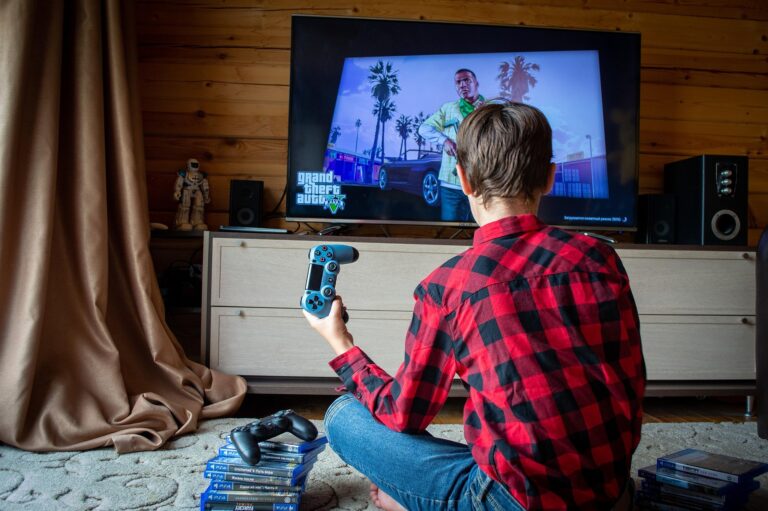
Is Gaming Taking Over Your Teenager’s Life?
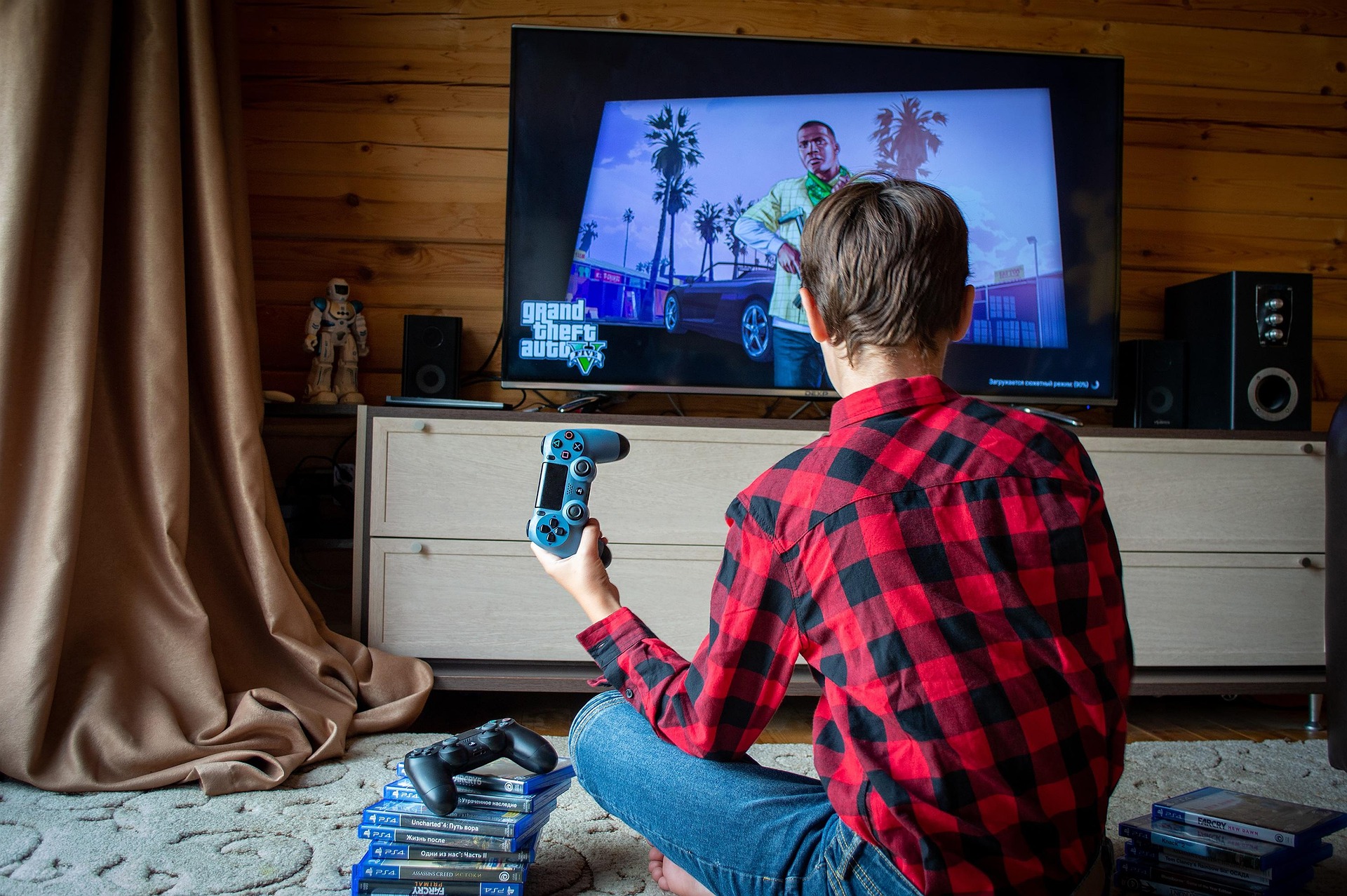
With the long summer holidays coming to an end, now is a good time to reset sleep, screen time and family routines before term begins.
There comes a point in the summer holidays when some parents look at their teenager gaming and wonder where their child has gone.
The energetic kid who once wanted to be outside, swimming, kicking a ball around or seeing friends may now be behind a closed bedroom door, headset on, controller in hand and curtains drawn.
Late nights turn into late mornings. Breakfast disappears. Exercise drops off. Family plans become a negotiation. And asking them to switch off can feel like the quickest route to an argument.
Gaming itself isn’t necessarily the problem. For many teenagers it is social, competitive, creative and an important way of spending time with friends. The issue is when it begins to crowd everything else out.
The American Academy of Pediatrics warns that screen use can displace essential activities including sleep, physical activity, homework, reading and face-to-face interaction.
Sleep is particularly important. Teenagers aged 13 to 18 generally need around eight to ten hours a night, yet long summer evenings and late-night gaming can make that increasingly difficult. Research has also found an association between problematic gaming and poorer sleep.
And lack of sleep does more than make teenagers tired. It can affect concentration, motivation, learning and emotional regulation.
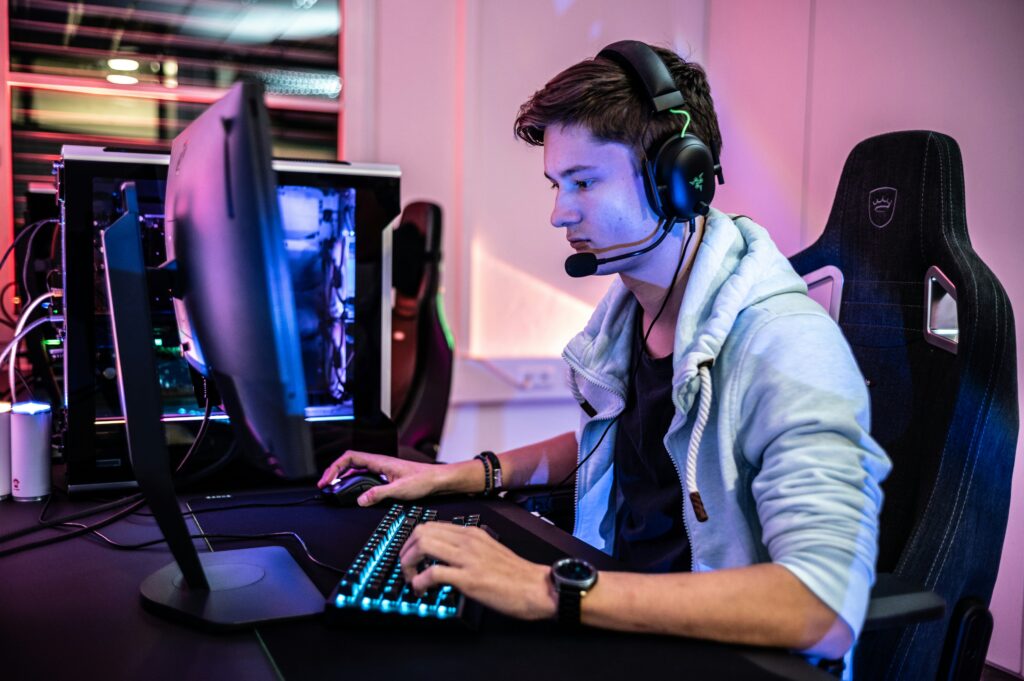
Look at the whole picture when you’re worried about your teenager gaming
Rather than obsessing over the exact number of hours spent gaming, it can be more useful to ask what else is happening.
Is your teenager still seeing friends? Are they exercising? Eating properly? Sleeping enough? Are they interested in anything away from a screen?
And perhaps most importantly: are they gaming because they are enjoying themselves, or because it has become an escape?
Some teenagers retreat into games when they are lonely, anxious or struggling socially. Research has found links between heavy screen use and depressive symptoms, although the relationship is complex and does not mean gaming itself causes depression.
That distinction matters. Taking away the console won’t necessarily solve an underlying problem.
What else has disappeared to teenager gaming?
It is also worth looking at the things that may gradually have fallen out of your teenager’s life.
When did they last read something because they wanted to? Draw? Make music? Cook? Take photographs? Build something? Spend time outside? Even simply get bored?
Teenagers do not need every spare hour filled with worthy activities, and gaming itself can involve problem-solving, teamwork and creativity. But a healthy life generally contains more than one source of pleasure.
The aim is not to replace gaming with homework. It is to make sure gaming has not become the only thing they want to do.
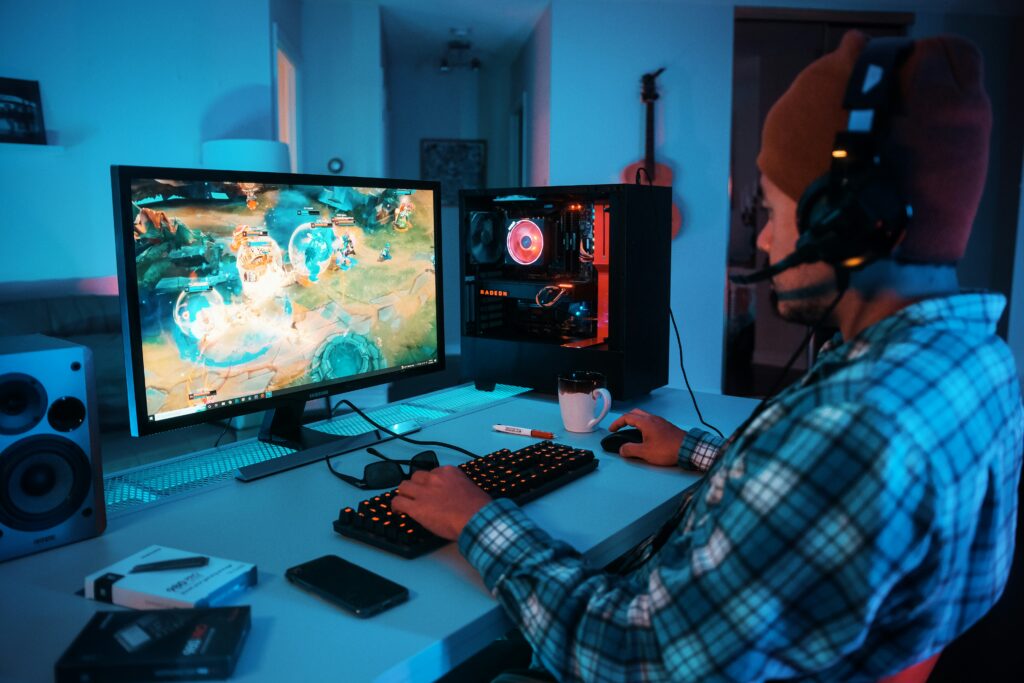
Resetting before school starts
The end of the holidays is a natural opportunity to restore some structure without declaring war on the PlayStation.
Protect sleep. Start bringing bedtime and wake-up times forward before the first school morning. Agree sensible limits around late-night gaming and, where possible, keep devices away from the bed overnight.
Get them moving. It does not have to mean organised sport. Walking, swimming, cycling, the gym or simply getting outside all count.
Get meals back on track. Regular breakfasts and family meals help restore routine after weeks of grazing at odd hours.
Get them cooking. Ask your teenager to choose a meal, shop for it and help prepare it. It builds independence and gets them away from passive screen time without feeling like punishment.
Keep family life going. Teenagers may complain about outings, meals or family plans, but that does not mean they no longer benefit from being included.
Encourage other interests. Books, music, photography, drawing, gardening, making things or learning something new all provide a different kind of stimulation.
Keep offline friendships alive. Online friendships can be real and meaningful, but face-to-face interaction still matters too.
And finally, talk rather than simply police.
If your teenager has become persistently withdrawn, low, isolated or uninterested in things they previously enjoyed, do not automatically blame gaming. It may be a symptom rather than the cause.
Parents have a part to play too
It is easy to tell a teenager to get off a screen. It is harder to offer them something better.
Go for the walk with them. Take them for breakfast. Cook together. Play sport. Go somewhere. Find something you both enjoy.
The goal is not to measure success by how little your teenager games.
It is to make sure they are still sleeping, moving, eating, laughing, connecting and taking part in life beyond the screen.
As school starts again, that balance matters far more than any arbitrary screen-time target.