Kids Here, Mum In Canada: A Sandwich Dad’s Plan

It is bath time in Leeds. One child is shouting about shampoo, the other wants a story. Your phone buzzes with a Canadian number, and your stomach drops before you have even read the name.
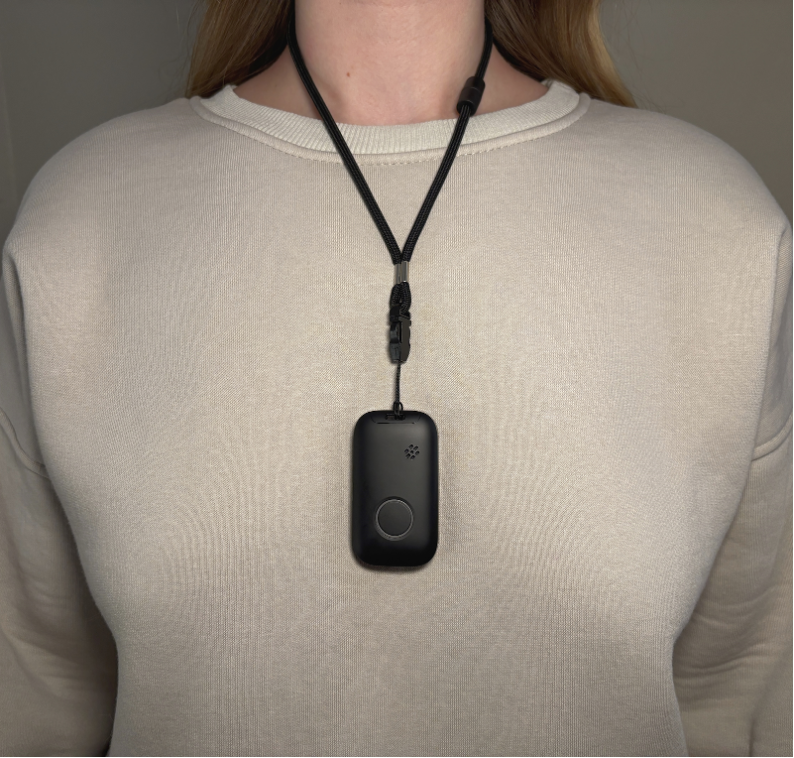
Plenty of dads now sit in that gap between young children and an ageing parent. A Life Assure safety necklace is one way families close the distance when that parent lives in Canada. Life Assure is a Canadian company, and its monitoring service is available to customers in Canada only. If your mum or dad lives in Britain, it is not an option for them.
What Does the Sandwich Generation Look Like From 3,000 Miles Away?
The usual picture is a dad driving between the school gates and his father’s flat. For many British families the map is wider. A parent retired to Ontario to be near a sibling. Or they emigrated in the 1970s and never came back.
You cannot pop round to check the heating is on. Most of what you know arrives through a weekly video call, and older parents are experts at looking fine for 20 minutes.
Why Is the Time Difference the Real Problem?
The clock matters more than the miles. Toronto runs five hours behind the UK. Calgary is seven hours behind, and Vancouver eight.
That means a fall at teatime in Vancouver happens at about 2am in Manchester. You are asleep, phone on silent because the baby finally settled. Even if your mum could ring you, there is little you could do from Britain in the next hour.
In Canada, falls are the leading cause of injury-related hospitalisation for older adults. A fall that goes unnoticed overnight is a very different event from one that gets a response in minutes.
What Changes When Mum Wears the Necklace?
A wearable alert shifts the first response away from you and onto people who are awake and nearby. Pressing the button connects to Medical Alert Specialists at a monitoring centre that runs 24 hours a day. The specialist talks through the pendant and sends help.
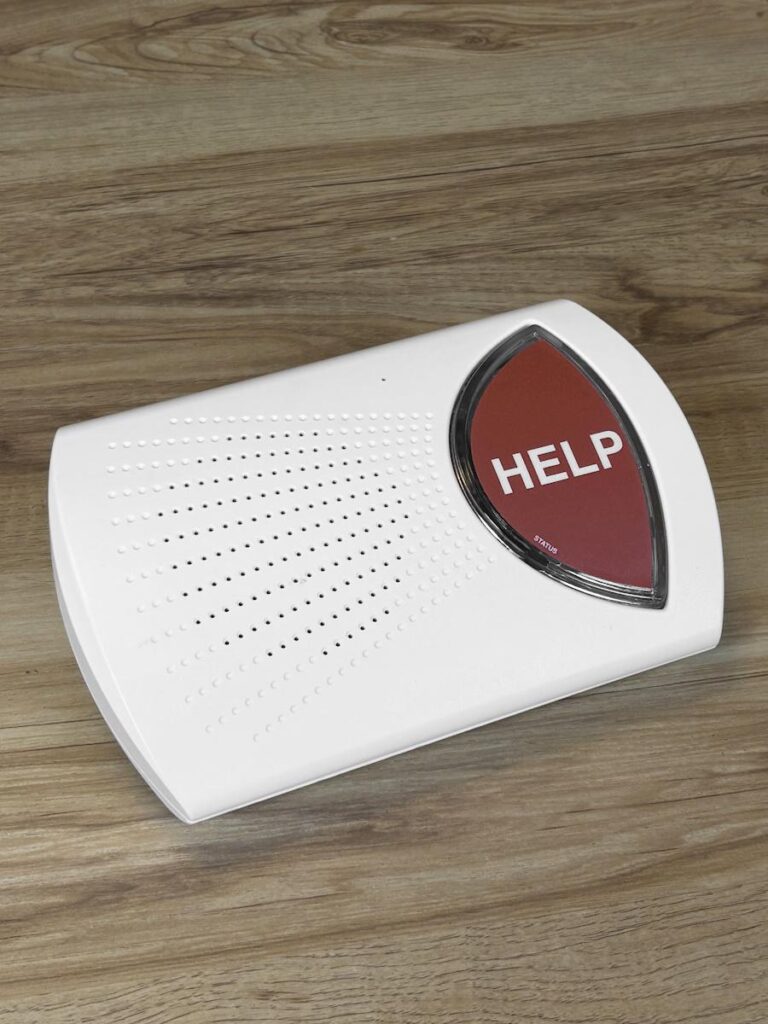
For a family split across the Atlantic, five things change.
- Someone answers at any hour. Your sleep, your nursery pickup and your train signal stop being the weak link.
- Help is coordinated locally. The specialist works with Canadian first responders who know the area.
- She does not need to reach the phone. The pendant is worn on the body, and the home version reaches up to 600 feet from its base unit.
- Falls can trigger an alert on their own. Fall detection is an optional upgrade that sends an alert even if she cannot press the button.
- Power cuts are less of a worry. The home base unit has a backup battery that lasts up to 80 hours.
For a parent who still drives to the shops, the mobile version uses the cellular network and GPS, so it can share her location away from home.
Who Should Be On the Call List When You Live In the UK?
The instinct is to put yourself first. From Britain, that is usually the least useful choice.
Build the list in this order:
- A neighbour within walking distance, ideally one who already holds a spare key.
- A local friend or church contact who can sit with her until help arrives.
- A sibling or cousin in Canada, if anyone in the family lives in the same province.
- You, last but informed, so you get the full picture once she is safe.
Before the device arrives, it helps to talk to the Seniors Advocates who handle questions and setup. Ask how contacts are called and what happens if nobody picks up. Put her medications, her family doctor’s details, and the key’s location on file.
How Do You Raise It On a Video Call?
Proud parents rarely welcome a gadget that hints at frailty, so framing matters.
- Make it about your peace of mind. “I sleep badly when I cannot reach you” lands better than “you might fall”.
- Mention the grandchildren. Most grandparents will do a lot to keep seeing the kids grow up, even on a screen.
- Let her choose. Ask whether she wants the home or the mobile version, and respect the answer.
- Offer a trial. Life Assure has no long-term contract, which makes “try it for a few months” an honest offer.
Where Do the Kids Fit In?
If Grandma’s health is a hushed topic, children pick up the tension without the facts.
Keep it simple. Grandma has a special button so people can help her quickly if she feels poorly. Most children find that reassuring.
Planning a long-haul visit with little ones? FQ’s guide on how to travel with kids without losing your mind is worth a read. Use the trip to test the pendant together, check the signal at her house, and meet the neighbour on the list.
What About Your Own Load?
Long-distance care is still care. A carer is anyone who looks after a relative needing extra help as they grow older. Plenty of sandwich dads never think of themselves that way.
Planning calls around time zones and booking flights at short notice take their toll. One FQ writer described how caring for his dad made the family stronger. His story is a reminder of how fast care can take over a working father’s life.
A necklace will not fix that, but it removes one job. You no longer have to be on watch every night.
One Less Midnight Phone Call
You will still worry about your mum. The aim is to make sure the worst moment of her week does not depend on whether your phone is on loud in another country.
Sort the call list, get the device on her, and then get back to bath time.
Frequently Asked Questions
Can I Buy the Service for a Parent Who Lives In the UK?
No. The monitoring covers people who live in Canada and nowhere else. For a parent living in Britain, look at UK-based alarm services or your local council’s community alarm scheme.
Does My Parent Need a Landline?
Not always. The mobile version runs on the cellular network, so it suits a parent without a home phone line. Check the mobile signal at her address before you order.
Will I Be Told If She Presses the Button?
Yes, if you are on her contact list. Sit lower on the list, so local people respond first and you get a full update afterwards.
What If She Says No to the Necklace?
Keep the tone light and ask what would make it easier, such as a different cord length. Then revisit it after your next visit