Family
Fidget Spinners – A Dad Lowdown on the New Craze
How did fidget spinners get cool?
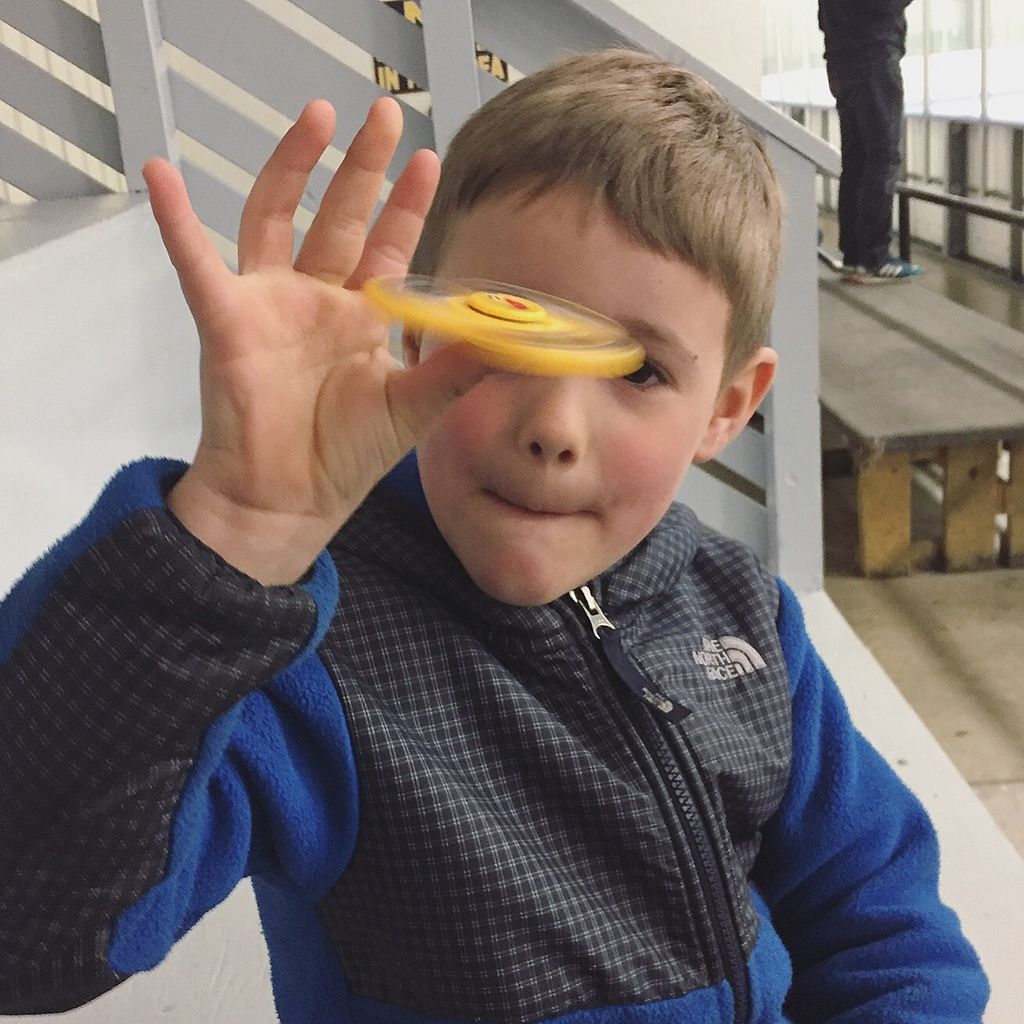
Parents aren’t meant to get classroom crazes like fidget spinners. That’s the point of classroom crazes. But no-one was talking about the health benefits of Pokémon cards. Or making a scientific case that Tamagotchis introduced kids to the inevitability of failure and loss. (Of course, Tamagotchis did do that, but, rather than helping children, the experience was uniformly traumatic). Fidget spinners, though. Fidget spinners are different. So, what do fidget spinners do? Spin. And who are they for? Fidgets. See: easy. Or is it? They’re marketed as boredom and stress relievers for children, particularly those with ADHD, autism or anxiety issues. Allegedly, they’re all you need to ‘bring out the creative genius lying deep within you’. Allegedly.Expert Opinions
A few experts agree that fidget spinners might be a little bit more than the piece of plastic that meets the eye. ‘These little gadgets should be called fidget tools, not toys, and they can be part of a successful strategy for managing fidgety behaviour’, says Claire Heffron, a paediatric occupational therapist.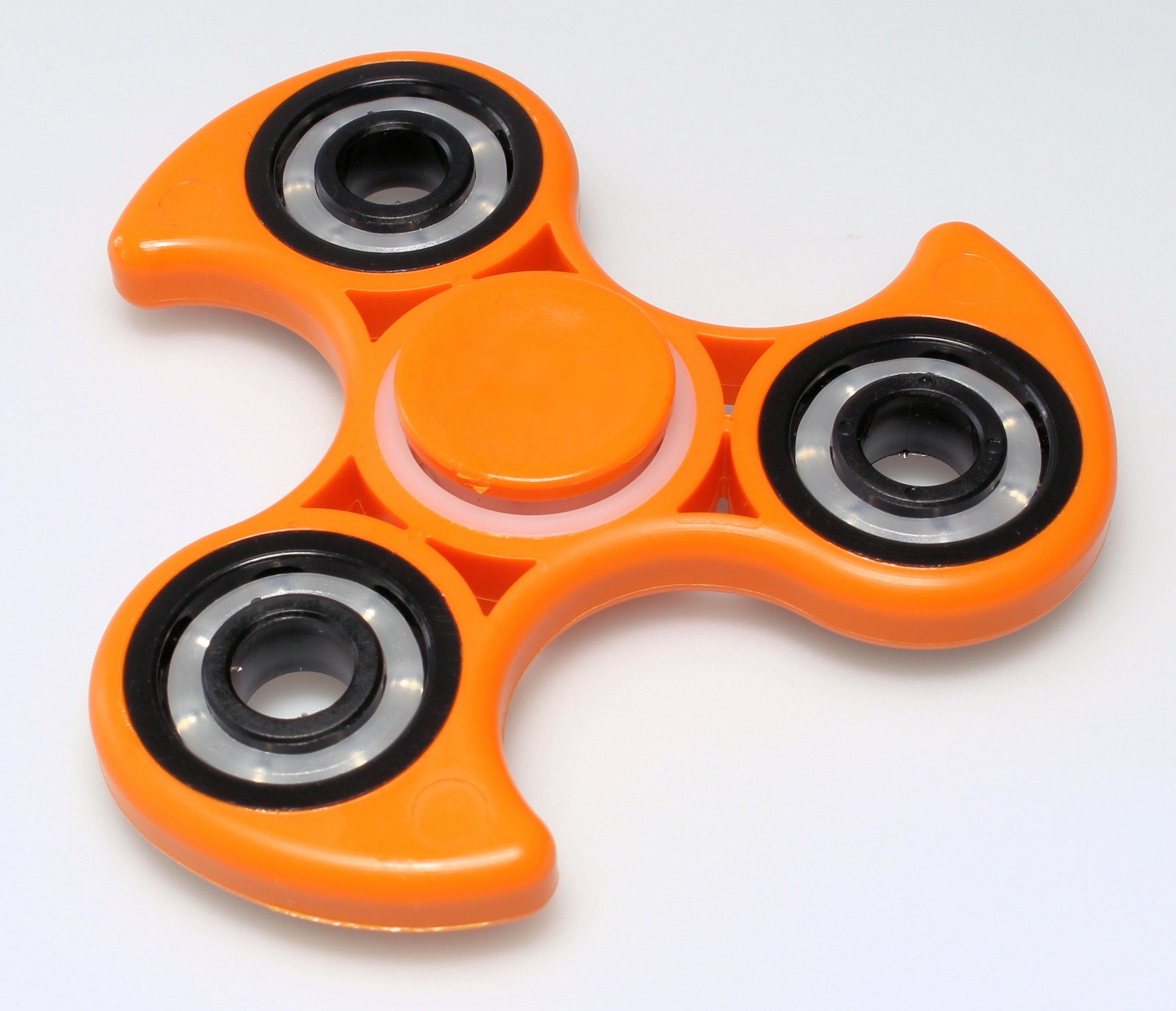 Still, there is no reliable evidence for their effectiveness, and schools across the world are rapidly banning them. For Dr Mark Rapport, director of the Children’s Learning Clinic at the University of Central Florida, ‘Using a spinner-like gadget is more like to serve as a distraction than a benefit for individuals with ADHD’.
Instead, most experts recommend children use fidget objects like stress balls and fidget cubes, which don’t cause a visual distraction. These items allow children to work out nervous energy while keeping their visual attention on the teacher. They aren’t cool, either.
Still, there is no reliable evidence for their effectiveness, and schools across the world are rapidly banning them. For Dr Mark Rapport, director of the Children’s Learning Clinic at the University of Central Florida, ‘Using a spinner-like gadget is more like to serve as a distraction than a benefit for individuals with ADHD’.
Instead, most experts recommend children use fidget objects like stress balls and fidget cubes, which don’t cause a visual distraction. These items allow children to work out nervous energy while keeping their visual attention on the teacher. They aren’t cool, either.
Fidget Spinners: A New Frontier for Cool?
As Dr. David Anderson of the Child Mind Institute points out: ‘If something appears like it’s an easy fix for mental health difficulties, it’s probably too good to be true’. Equally, if a dad thinks he knows why something’s cool, he’s probably wrong. Still, the needs of children with less visible issues such as autism are all too often ignored in popular culture. So the eruption of an alleged tool for children with special needs into the mainstream is something we should appreciate. As parents begin to understand fidget spinners, we can be sure that they’ll stop being cool. If that means we appreciate some of the challenges faced by children with special needs a little better, it’s a worthwhile trade-off.